Academic Distinction
B.Sc HOSPITAL MANAGEMENT
A hospital management course equips students with the knowledge and skills required to effectively oversee hospitals and healthcare facilities. The curriculum spans key areas such as financial management, human resources, strategic planning, and healthcare regulations. The program aims to prepare future leaders for administrative and managerial roles, ensuring healthcare services run efficiently and meet high standards of quality.
Career opportunities
Graduates can explore diverse career paths in the healthcare industry, including hospital administration, healthcare consulting, health insurance, government healthcare organizations, and healthcare NGOs.
Vision
· To be a leading program: Foster excellence in hospital and healthcare management by becoming a recognized leader in the field.
· To create leaders: Cultivate responsible professionals who can enhance healthcare operations and shape the future of healthcare delivery.
· To drive innovation: Serve as a hub for innovation, producing graduates skilled in applying both proven and emerging managerial techniques to solve complex challenges.
Mission
· To impart knowledge and skills: Equip students with a strong understanding of hospital operations.
· To develop managerial and leadership skills: Strengthen leadership, communication, and problem-solving abilities.
· To ensure ethical and efficient practice: Promote ethical principles, operational efficiency, and quality patient care.
· To foster a problem-solving approach: Develop analytical skills to tackle daily hospital challenges.
· To contribute to the healthcare sector: Prepare graduates to shape health policy and navigate the global healthcare system.
Programme Outcomes
Graduates of a hospital management course develop core competencies to oversee complex healthcare operations. Key outcomes include:
- Effective Organizational Management: Ability to lead and manage healthcare facility operations, ensuring efficient service delivery and optimal resource use.
- Financial Expertise: Skills in budgeting, cost management, accounting, and financial strategy development for long-term sustainability.
- Quality Assurance and Compliance: Knowledge of healthcare laws, regulations, ethics, and quality improvement initiatives to ensure high-quality, compliant patient care.
- Human Resource Management: Competence in managing multidisciplinary teams, including hiring, training, performance evaluation, and fostering a productive work environment.
- Strategic Planning and Innovation: Ability to formulate policies, implement new technologies such as digital health and artificial intelligence (AI), plan services, and adapt to the evolving healthcare landscape.
- Problem-Solving and Leadership: Critical thinking, analytical, and leadership skills to make informed decisions and manage challenges in a dynamic environment.
Career Opportunities
The growing complexity of healthcare systems has increased demand for skilled hospital management professionals, offering roles in public and private sectors.
Job roles include:
- Hospital Administrator/Manager: Oversee facility or department operations.
- Healthcare Operations Manager: Optimize processes and workflows.
- Financial Manager: Handle budgeting, reporting, and finances.
- Quality Assurance Manager: Ensure compliance and improve patient care.
- Human Resources Manager: Manage staff and HR functions.
- Healthcare Consultant: Advise organizations on management and operations.
- Medical Director/Superintendent: Lead with medical and managerial expertise.
Specialized Roles: Opportunities in supply chain, HIS, medical records, and clinical services management.
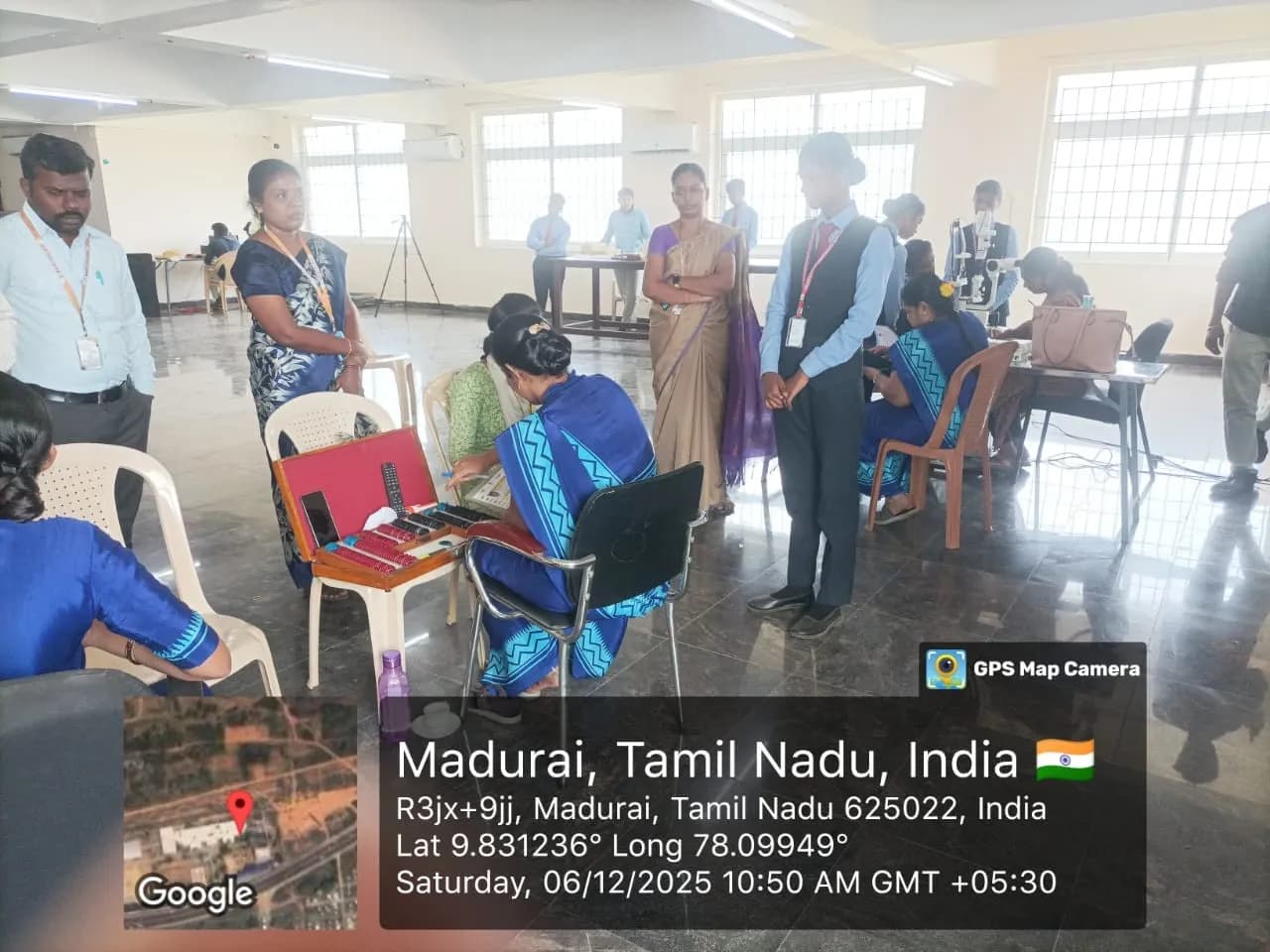
Eye Camp

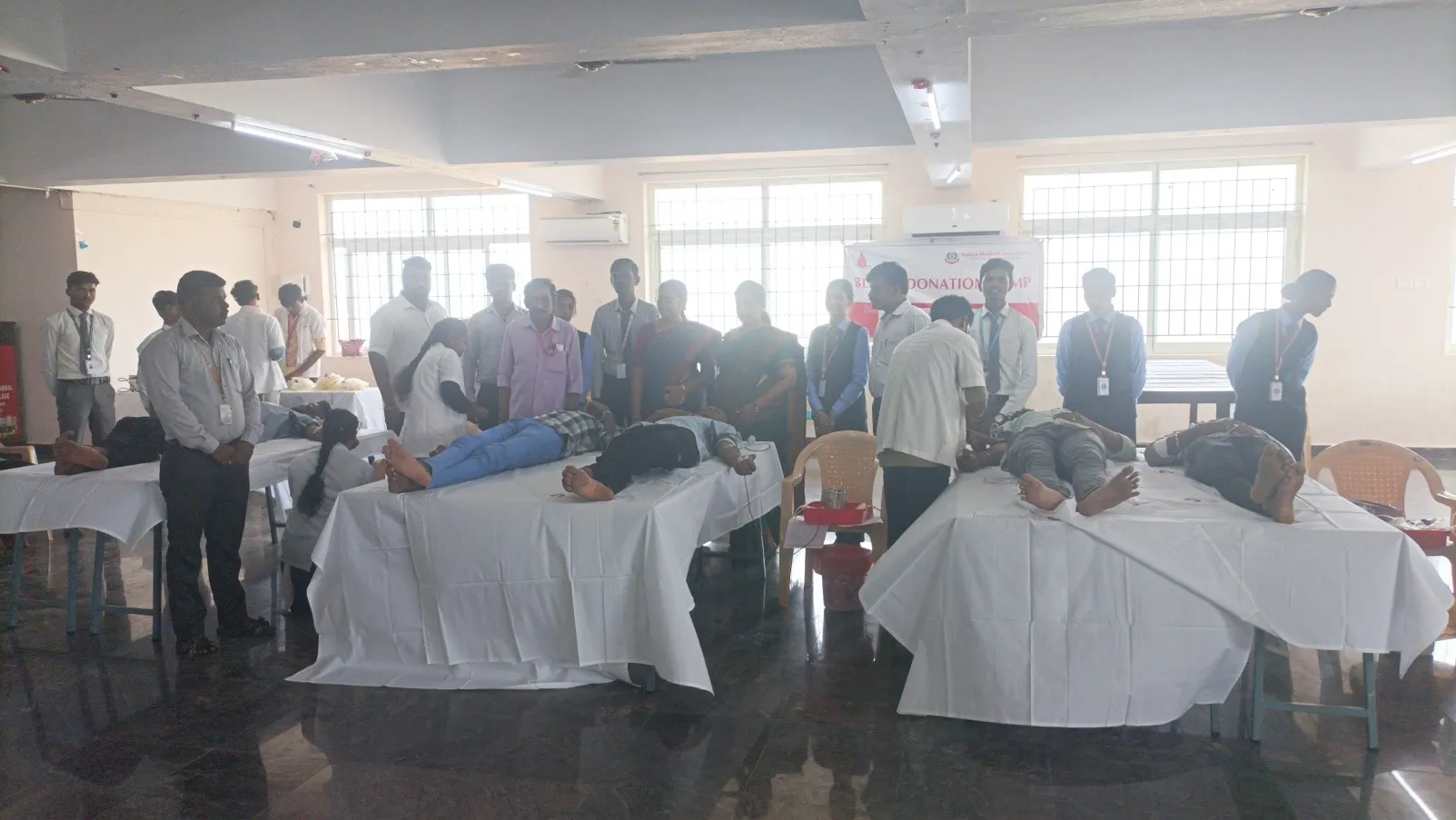
Blood Camp

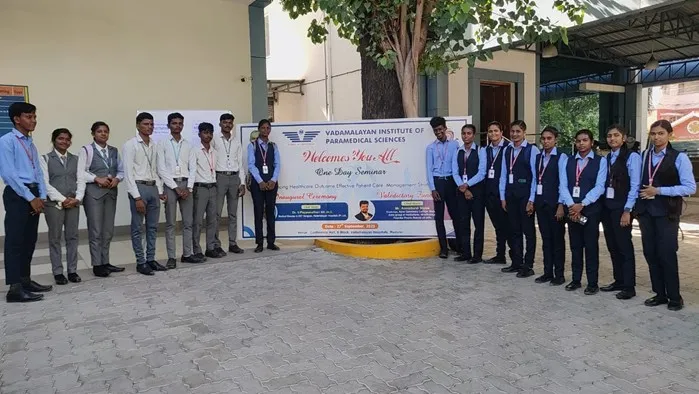
Patient Care

Faculty Leadership

Mr. Srinivasa Prabu. N

Mrs. Hema
M.Sc., M.Phil., D.Pharm
Events & Happenings
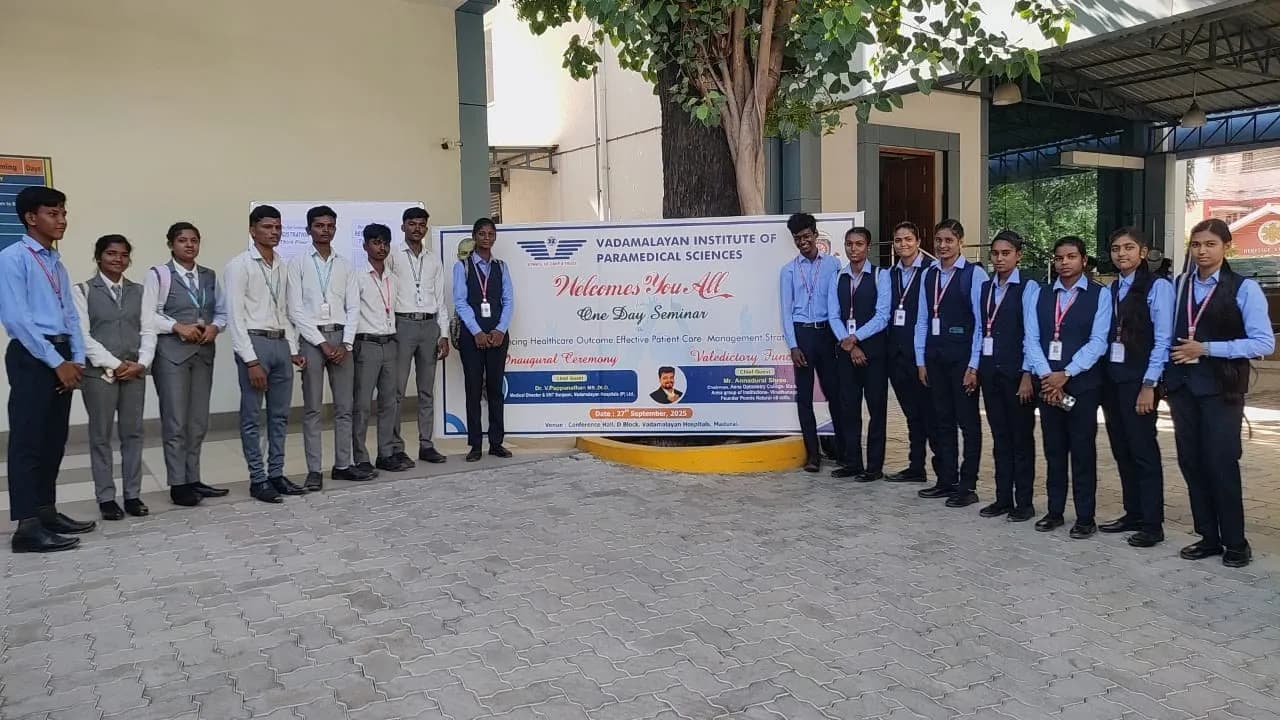
Patent Care – Workshop
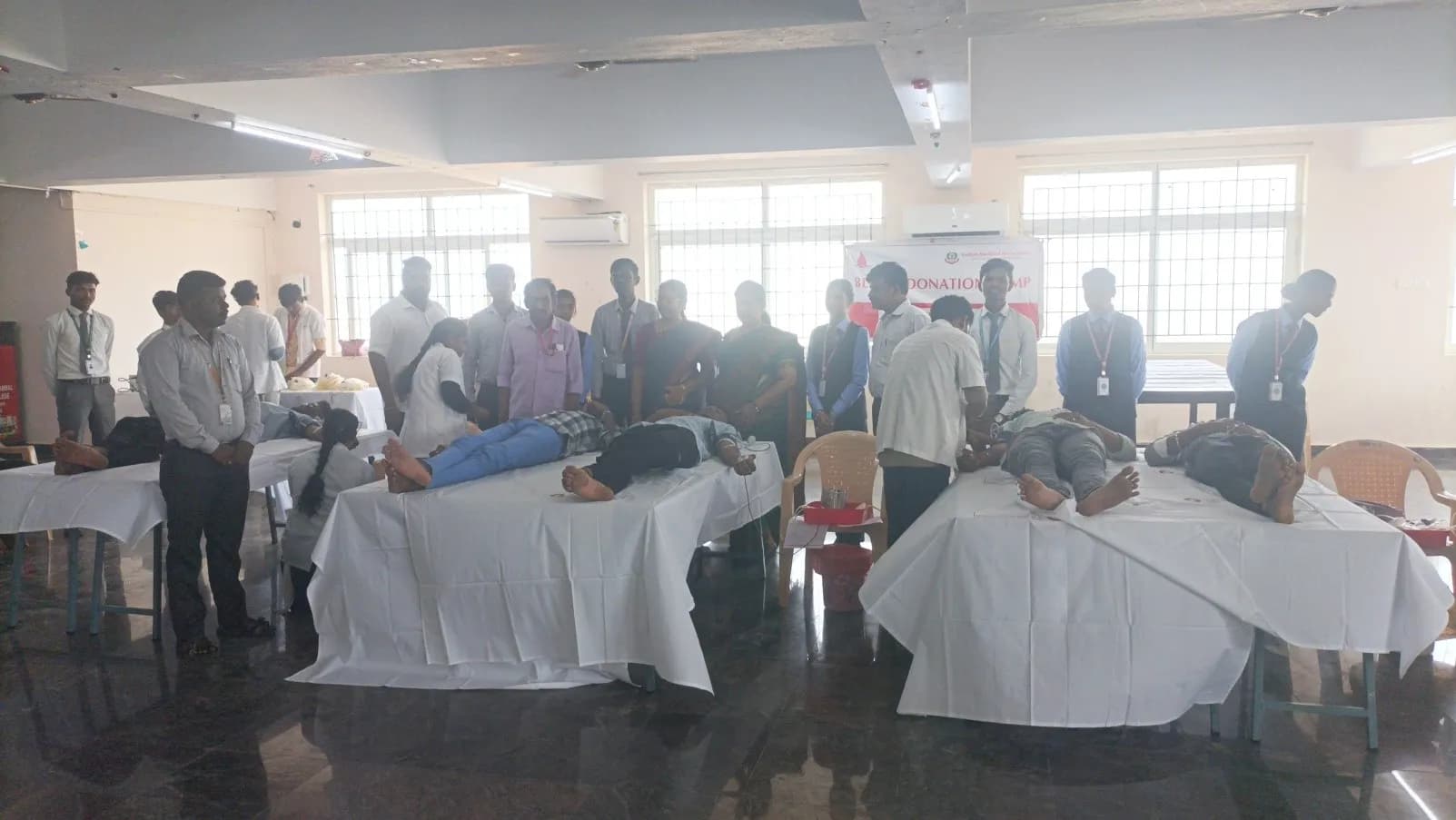
Blood Donation Camp